Restore Balance: Nature's Role in Health Coaching
- mindfulearthcoachi
- Jan 19
- 5 min read
In a world increasingly dominated by technology and urban living, the importance of nature in our lives often gets overlooked. Yet, the connection between nature and health is profound, influencing our physical, mental, and emotional well-being. As health coaches, understanding this relationship can enhance our practice and provide clients with holistic strategies for achieving balance in their lives.
The Healing Power of Nature
Research consistently shows that spending time in nature can lead to significant health benefits. Here are some key findings:
Reduced Stress Levels: Studies indicate that being in natural environments lowers cortisol levels, the hormone associated with stress. A simple walk in the park can help alleviate anxiety and promote relaxation.
Improved Mood: Nature exposure has been linked to enhanced mood and emotional well-being. The sights, sounds, and smells of the outdoors can stimulate the release of endorphins, leading to feelings of happiness.
Enhanced Focus and Creativity: Natural settings can improve cognitive function. A study found that individuals who spent time in nature performed better on tasks requiring attention and creativity compared to those who remained indoors.
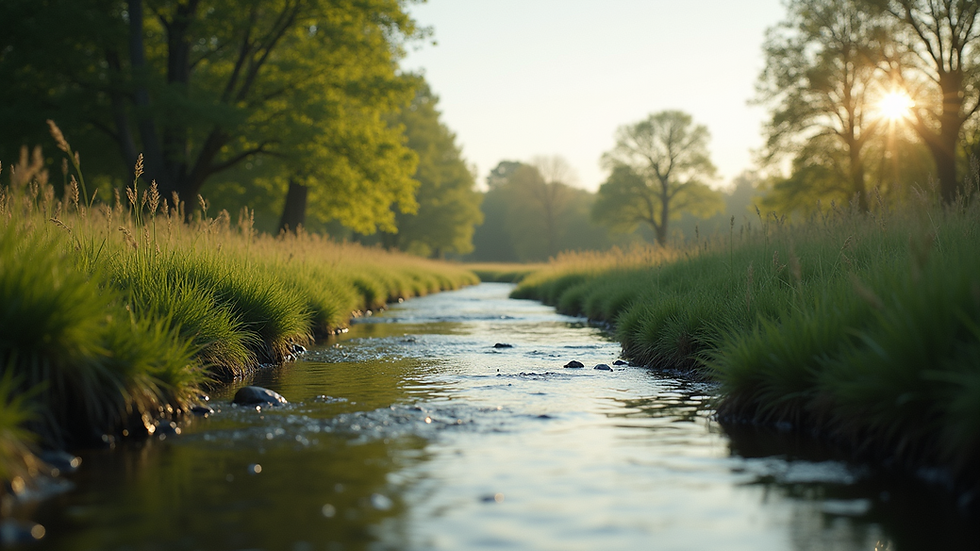
Image Placeholder

Integrating Nature into Health Coaching
As health coaches, we can leverage the benefits of nature to support our clients' journeys. Here are some practical strategies to incorporate nature into your coaching practice:
Encourage Outdoor Activities
Promote outdoor exercises such as hiking, cycling, or yoga in the park. These activities not only provide physical benefits but also allow clients to connect with nature, enhancing their overall experience.
Nature-Based Mindfulness Practices
Introduce mindfulness practices that involve nature. For example, guide clients through a "nature walk meditation," where they focus on the sights and sounds around them, fostering a deeper connection to their environment.
Create Nature-Inspired Goals
Help clients set goals that involve spending more time outdoors. This could be as simple as committing to a weekly nature walk or planning a weekend camping trip. Setting these goals can motivate clients to prioritize their well-being.
Use Nature as a Metaphor
In your coaching conversations, use nature as a metaphor for growth and resilience. Discuss how trees grow stronger through adversity or how rivers carve their paths over time. These analogies can inspire clients to embrace their challenges.
The Science Behind Nature's Benefits
Understanding the science behind nature's impact on health can empower both coaches and clients. Here are some key areas of research:
Biophilia Hypothesis
The biophilia hypothesis suggests that humans have an innate connection to nature. This connection can lead to improved health outcomes, as our bodies respond positively to natural environments. Health coaches can utilize this concept to encourage clients to seek out nature regularly.
Ecotherapy
Ecotherapy, or nature therapy, is a growing field that emphasizes the therapeutic benefits of nature. Research shows that ecotherapy can reduce symptoms of depression and anxiety, making it a valuable tool for health coaches to consider in their practices.
Nature and Physical Health
Studies have shown that individuals who spend more time in nature tend to have lower blood pressure, improved immune function, and reduced risk of chronic diseases. Encouraging clients to engage with nature can be a proactive approach to maintaining their physical health.
Practical Tips for Clients
As health coaches, we can provide clients with actionable tips to incorporate nature into their daily lives:
Start Small
Encourage clients to begin with small steps. This could mean taking a short walk during lunch breaks or spending a few minutes in their backyard. Gradually increasing their time in nature can lead to lasting habits.
Explore Local Parks and Trails
Help clients discover local parks, nature reserves, or hiking trails. Exploring new environments can reignite their passion for the outdoors and provide opportunities for physical activity.
Nature Journaling
Suggest that clients keep a nature journal to document their experiences. Writing about their observations can deepen their connection to nature and serve as a reflective practice.
Join Nature Groups
Encourage clients to join local nature groups or clubs. Engaging with others who share a love for the outdoors can provide social support and motivation.
Overcoming Barriers to Nature Engagement
While the benefits of nature are clear, some clients may face barriers to spending time outdoors. Here are strategies to help them overcome these challenges:
Addressing Time Constraints
Many clients may feel they lack time to spend in nature. Help them identify pockets of time in their schedules, such as early mornings or weekends, to prioritize outdoor activities.
Combatting Weather Concerns
Weather can be a deterrent for outdoor activities. Encourage clients to dress appropriately for the conditions and explore indoor options, such as visiting botanical gardens or indoor nature exhibits.
Navigating Urban Environments
For clients living in urban areas, access to nature may be limited. Suggest urban parks, community gardens, or even rooftop gardens as alternatives for connecting with nature.
The Role of Technology in Nature Engagement
In today's digital age, technology can both hinder and enhance our connection to nature. Here are some ways to strike a balance:
Nature Apps
Introduce clients to nature-related apps that encourage outdoor exploration. Apps that identify plants, birds, or hiking trails can enhance their experiences and foster curiosity.
Mindful Technology Use
Encourage clients to practice mindful technology use by setting boundaries around screen time. This can create more opportunities for outdoor engagement and reduce distractions.
Virtual Nature Experiences
For clients unable to access nature physically, suggest virtual nature experiences. Documentaries, nature sounds, or guided virtual tours can provide a sense of connection to the natural world.
Building a Nature-Centric Coaching Practice
As health coaches, we can create a nature-centric approach to our practice. Here are some ideas to consider:
Nature Retreats
Organize nature retreats or workshops that focus on health and wellness. These events can provide clients with immersive experiences that deepen their connection to nature and foster community.
Collaborate with Nature Experts
Partner with ecologists, naturalists, or outdoor educators to enhance your coaching offerings. Their expertise can provide valuable insights and resources for clients.
Create a Nature Resource Library
Develop a resource library with books, articles, and videos related to nature and health. This can serve as a valuable tool for clients seeking to learn more about the benefits of nature.
Conclusion
Incorporating nature into health coaching is not just a trend; it is a powerful approach to fostering holistic well-being. By understanding the profound impact of nature on health, coaches can empower clients to restore balance in their lives. Encourage your clients to embrace the outdoors, set nature-inspired goals, and cultivate a deeper connection with the natural world. The journey to health and wellness is not just about what we do; it is also about where we find inspiration and healing.
By integrating nature into your coaching practice, you can help clients unlock their potential and achieve lasting change. So, step outside, breathe in the fresh air, and let nature guide you and your clients toward a healthier, more balanced life.

Comments